
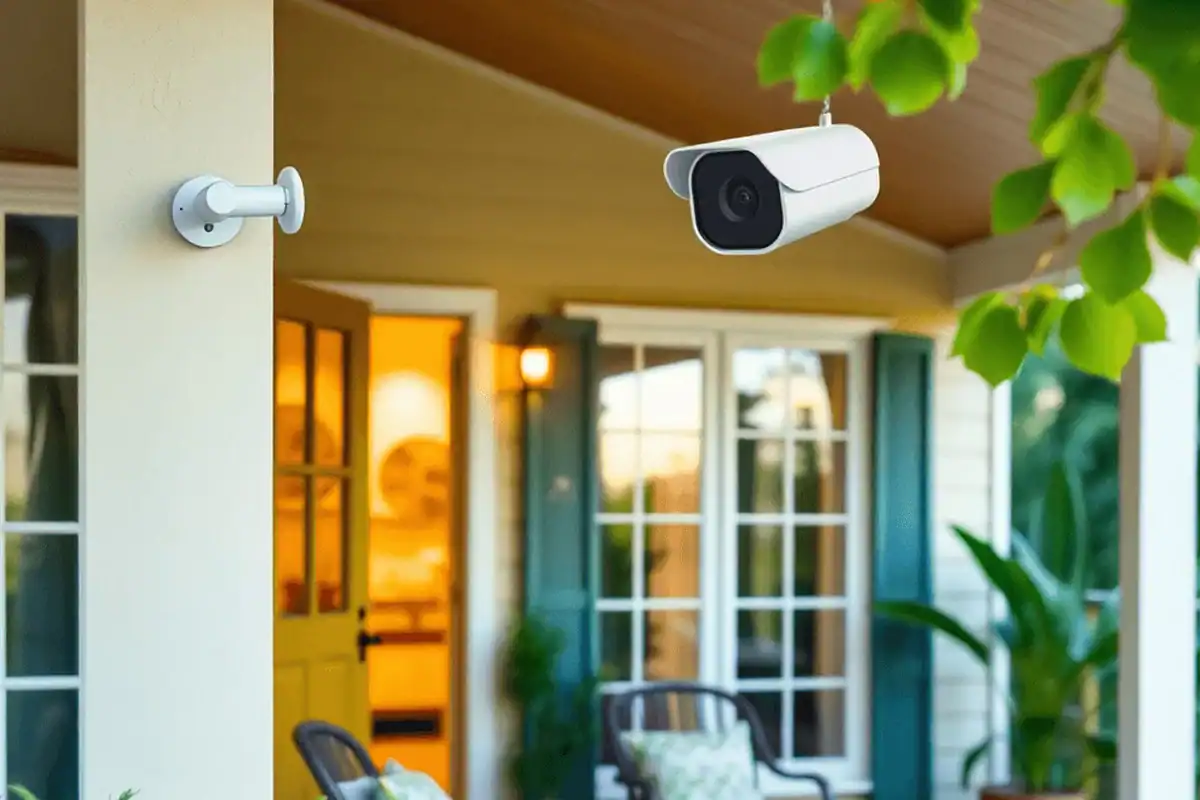
Airbnb Camera Policy for Hosts
Airbnb’s camera policy is important for creating a safe and secure environment for both hosts and guests. Hosts need to understand this policy in order to maintain their guests’ trust while also protecting their property.
The key points of the Airbnb camera policy are:
- Allowed Outdoor Cameras: Hosts can have security cameras outside their properties.
- Banned Indoor Cameras: Any surveillance inside the rental space is strictly forbidden.
Hosts must find a way to balance using security cameras for protection with respecting guest privacy. Following the Airbnb camera policy not only ensures that hosts are following the rules, but also promotes openness, which is vital for maintaining good relationships with guests.
Being aware of the policies of other platforms, such as the VRBO camera policy or Booking.com camera policy, can provide additional insights into best practices. In the end, hosts who prioritize both safety and privacy will be more successful in the competitive vacation rental market.
Understanding Airbnb’s Camera Policy
Airbnb’s security camera policy is designed to balance the need for safety with the expectations of privacy that guests hold. The policy explicitly states:
1. Outdoor Security Cameras
Hosts are permitted to install cameras outside their properties. This includes areas such as driveways, backyards, and entrances. These cameras can serve multiple purposes, including monitoring property security and deterring potential theft or vandalism.
2. Indoor Security Cameras
The use of indoor cameras is strictly prohibited under Airbnb’s policy. The rationale behind this restriction centers on guest privacy. Guests expect to feel comfortable and secure in their rental space without the fear of being monitored in private areas.
These regulations not only protect guests but also reinforce trust. When guests know that they will not be surveilled indoors, they can enjoy a more relaxed experience during their stay. This trust is vital for hosts looking to create a positive environment that encourages repeat bookings.
In addition to Airbnb’s guidelines, hosts should consider how similar policies are implemented across other platforms, such as Vrbo. Understanding different policies can provide valuable insights into best practices for managing surveillance in rental properties.
The impact of these regulations extends beyond compliance; they shape the overall guest experience. Hosts who adhere to these policies demonstrate a commitment to transparency and respect for privacy. Establishing clear boundaries around surveillance fosters an environment where guests feel safe and valued.
Ensuring compliance with the Airbnb security camera policy not only protects your listing but also enhances your reputation as a host committed to guest satisfaction.
Disclosure Requirements for Hosts
Disclosing the presence and location of outdoor security cameras is not just a best practice; it is a requirement under Airbnb’s policy. This transparency fosters trust between hosts and guests, allowing everyone to feel comfortable during their stay.
Importance of Disclosure
- Guest Awareness: Guests have the right to know about surveillance in vacation rentals. Notifying them of any outdoor cameras helps set clear expectations.
- Trust Building: Transparency regarding security measures can enhance your reputation as a host. Guests appreciate honesty and are more likely to leave positive reviews when they feel respected and informed.
Legal Implications of Non-Disclosure
- Legal Risks: Failing to disclose security cameras may expose hosts to legal consequences. Many jurisdictions have laws governing surveillance, particularly regarding privacy rights. Hosts could face fines or lawsuits if guests feel they were monitored without consent.
- Airbnb Penalties: Violating the disclosure requirement can lead to penalties from Airbnb, including account suspension or removal. Upholding these regulations safeguards both your property and your hosting status.
Best Practices for Communication
- Clear Messaging: Include information about outdoor cameras in your property listing. Specify their locations and purposes clearly.
- Welcome Messages: Upon booking confirmation, send guests a personalized message mentioning the presence of cameras. Reinforce that they are strictly for security purposes.
- Visual Aids: Incorporate labels or signs at the property indicating camera locations. Visual cues further affirm transparency.
By adhering to these guidelines, you mitigate risks associated with non-disclosure while enhancing guest confidence during their stay. Understanding the significance of knowing about surveillance in vacation rentals not only protects your interests but also prioritizes guest comfort and satisfaction.
Compliance with Laws and Regulations
Understanding compliance with laws regarding security cameras is essential for Airbnb hosts. In addition to adhering to Airbnb’s camera policy, hosts must navigate various state laws that govern surveillance in rental properties. These regulations can vary significantly from one state to another, making it crucial for hosts to familiarize themselves with the specific laws applicable to their location.
Key Considerations:
- Notification Requirements: Some states mandate that hosts must notify guests about any active surveillance devices on the property, regardless of whether they are indoors or outdoors.
- Consent: In certain jurisdictions, obtaining explicit consent from guests before using surveillance cameras may be required.
- Data Protection: Many states have privacy laws that restrict how video footage can be used, stored, and shared. Hosts should ensure compliance with these data protection regulations to avoid legal repercussions.
Examples of State Laws:
- California: Requires clear disclosure of surveillance devices and prohibits recording in private areas.
- Florida: Allows outdoor surveillance but requires consent for recording conversations.
Maintaining compliance not only protects you legally but also reinforces trust with your guests. Failure to adhere to both state laws and Airbnb’s policy may lead to penalties, including account suspension or removal from the platform. By understanding these legal frameworks, you can implement security measures that respect guest privacy while ensuring your property remains safe.
Guest Privacy Expectations in Vacation Rentals
Guests’ privacy expectations play a significant role in the vacation rental experience. When booking a property, guests anticipate a certain level of privacy that allows them to relax and enjoy their stay. Understanding these expectations is crucial for hosts.
Key Privacy Concerns
- Monitoring Guests: Many guests worry about being monitored during their stay. They often expect a sanctuary free from intrusive surveillance, which can lead to discomfort if they are unaware of any cameras.
- Communication Transparency: Guests appreciate clear communication regarding any security measures in place. When hosts disclose the presence and location of outdoor cameras, it eliminates uncertainty and fosters trust.
- Consent and Comfort: Guests are more likely to feel comfortable in a rental where they know exactly what to expect regarding surveillance. Research shows that transparency about surveillance not only meets legal obligations but also enhances the guest experience.
Addressing Guest Concerns
- Proactive Information Sharing: Providing information about security cameras in your listing description or welcome message can alleviate concerns. Highlighting that cameras are solely for security purposes reassures guests.
- Creating a Trusting Environment: By respecting guests’ privacy expectations, you establish a positive relationship that encourages repeat bookings and good reviews.
Understanding these aspects of guest privacy can significantly enhance your hosting experience while ensuring compliance with Airbnb’s policies.
Best Practices for Using Security Cameras in Rentals
Using outdoor security cameras can enhance the safety of your rental property while respecting guest privacy. Here are some best practices for using cameras in rentals:
1. Placement Matters
Install cameras in strategic locations that monitor entry points, such as the front door or driveway. Avoid pointing cameras towards windows or private areas to maintain guest comfort.
2. Clear Signage
Use visible signs indicating the presence of security cameras. This transparency helps guests feel aware and secure rather than monitored.
3. Limit Camera Capabilities
Ensure cameras do not record audio. Many guests find audio surveillance intrusive, so sticking to video-only capabilities aligns better with privacy expectations.
4. Regular Maintenance
Keep your cameras clean and functional. Regularly check that they are operating correctly and have a clear view of the monitored area. This ensures effective surveillance without unnecessary complications.
5. Data Management
Familiarize yourself with data storage policies. Store footage securely and delete it after a reasonable period unless needed for security reasons. Respecting guest privacy means not retaining footage longer than necessary.
6. Communicate Purpose
Clearly inform guests that cameras are solely for security purposes. Provide reassurance that their privacy will be respected during their stay.
Implementing these best practices not only helps protect your property but also fosters trust with guests. By prioritizing their comfort while maintaining security, you create a positive rental experience for everyone involved.
Automating Guest Messaging About Security Measures
Automation tools, such as Hospitable, play a crucial role in enhancing communication regarding security measures, including the presence of outdoor cameras. Implementing automated messaging can provide several benefits for Airbnb hosts:
- Consistency: Automated messages ensure that all guests receive the same information about security features, eliminating inconsistencies that may arise from manual communication.
- Timeliness: Notifications can be sent at strategic points in the booking process, such as upon confirmation or before check-in. This proactive approach keeps guests informed without overwhelming them with information.
- Trust Building: Clear communication about security measures fosters transparency. When guests are aware of outdoor cameras and their purpose, it reduces anxiety and builds trust.
- Improved Guest Experience: Properly informing guests can lead to a more comfortable stay. Knowing that there are security measures in place may enhance their sense of safety.
Best Practices for Automation:
- Clearly state the presence and purpose of outdoor cameras in your automated messages.
- Use friendly language to explain how these measures contribute to guest safety.
- Offer contact information for any questions regarding the security setup.
Adhering to Airbnb’s Camera Policy while utilizing automation tools helps maintain transparency. Engaging with guests through automated messaging not only complies with policy requirements but also promotes a positive relationship, ensuring guests feel secure throughout their stay.
Addressing Common Privacy Concerns Raised by Guests Regarding Surveillance Systems
Concerns about privacy are common among guests when it comes to surveillance systems in vacation rentals. To build trust and ensure a positive experience, hosts can implement several proactive strategies:
1. Clear Communication
Provide guests with detailed information about the purpose of surveillance cameras. Emphasize that they are used solely for security purposes.
2. Camera Placement Transparency
Clearly disclose where outdoor cameras are located. Consider creating a visual guide or including this information in your property listing.
3. Guest-Centric Policies
Highlight that no indoor cameras are present, reinforcing your commitment to guest privacy. This aligns with Airbnb’s camera policy and can ease concerns.
4. Response to Inquiries
Be prepared to answer any questions guests may have about the surveillance system. Providing prompt and informative responses demonstrates your attentiveness to their needs.
5. Assurances on Footage Use
Explain how footage is stored, accessed, and utilized. Guests will appreciate knowing that recordings are strictly for security reasons and not for monitoring their activities.
6. Encouragement of Feedback
Invite guests to express their thoughts regarding the surveillance policies. This open dialogue fosters an environment of trust and respect.
By addressing these privacy concerns directly, you enhance guest confidence in your property while adhering to both Airbnb’s guidelines and general best practices in the rental industry. Implementing these strategies can significantly improve the overall guest experience and establish lasting relationships with visitors.
Consequences Hosts Face If They Violate Airbnb’s Camera Policy
Understanding the repercussions of violating the Airbnb Camera Policy is essential for all hosts. Non-compliance can lead to serious consequences, which include:
- Penalties: Airbnb may impose fines on hosts who do not adhere to the established camera policy.
- Account Removal: In severe cases, hosts risk having their accounts suspended or permanently removed from the platform.
Common violations of the policy that can lead to these consequences include:
- Installing Indoor Cameras: The policy strictly prohibits any form of surveillance inside the rental property. Using indoor cameras not only breaches Airbnb’s rules but also significantly violates guest privacy.
- Failing to Disclose Outdoor Cameras: Not informing guests about the presence and locations of outdoor cameras can lead to distrust and potential penalties. Transparency in communication is crucial.
- Using Cameras for Non-Security Purposes: Employing cameras for purposes other than ensuring security (such as monitoring guest behavior) is against Airbnb’s policy and can result in account removal.
To avoid these pitfalls, consider implementing the following best practices:
- Clear Disclosure: Always disclose the presence and location of outdoor security cameras in your listing description and during guest communication.
- Regular Policy Review: Stay updated with any changes to Airbnb’s policies regarding surveillance to ensure compliance.
- Focus on Security Only: Use cameras solely for security measures, emphasizing this purpose in communications with guests.
By adhering to these guidelines, you protect both your listing and your relationship with guests. Understanding the implications of violations ensures a smoother hosting experience while maintaining trust and transparency.