
Maximizing Guest Satisfaction: The Ultimate Guide to Guest Experience Strategies
In the competitive world of vacation rentals, guest experience is what sets businesses apart. When guests have a positive experience, it not only makes them happy but also increases the chances of them booking again and recommending the place to others.
To truly understand and enhance the guest experience, it’s important to remember that there are multiple stages involved:
- Booking
- Pre-arrival
- In-property
- Guest departure
- Post-stay
By focusing on improving each of these stages, vacation rental managers can significantly boost overall guest satisfaction.
This guide is here to help you with just that. We’ll be diving deep into The Guest Experience Strategy, sharing practical tips and tools specifically designed for vacation rental managers like yourself.
Here’s what you can expect to learn:
- How to create irresistible property listings on OTA platforms.
- Effective communication techniques that will engage your guests even before they arrive.
- Ways to enhance the in-property experience through exceptional service.
- Insights on optimizing the guest departure process for a lasting impression.
- Best practices for post-stay marketing efforts to maintain connections with your guests.
By putting these strategies into action, you’ll not only increase guest satisfaction but also build loyalty and trust in your brand.
Understanding the Guest Journey
1. Booking Stage: Captivating Guests from the Start
The guest journey begins with the booking stage, where first impressions are critical. This stage sets the tone for the entire experience, making it essential to captivate potential guests from the outset. Here are some strategies to enhance your OTA (Online Travel Agency) listings and optimize your website for bookings:
Compelling Listings
- Use high-quality images that showcase your property’s best features. Images should be well-lit and highlight unique aspects such as scenic views or cozy corners.
- Craft engaging descriptions that tell a story about your property. Focus on how guests will feel during their stay, incorporating local attractions and experiences.
- Incorporate keywords relevant to your location and amenities to improve search visibility on OTA platforms.
User-Friendly Website
- Ensure that your website is easy to navigate, with clear calls-to-action guiding guests toward booking. A streamlined process reduces friction and enhances user satisfaction.
- Implement smooth online booking functionality. A complex booking process can deter potential guests; ensure it takes no more than a few clicks to complete a reservation.
- Optimize for mobile devices. Many travelers use smartphones to book accommodations, so a responsive design is crucial for capturing bookings.
Trust Signals
- Display reviews and testimonials prominently on your listing and website. Positive feedback builds trust and encourages new guests to choose your property.
- Highlight any awards or recognitions received in the industry, as these can reassure potential guests about the quality of their experience.
Engaging potential guests starts with an appealing presentation of your property on both OTAs and your personal website. The goal is to make your listing not just informative but also emotionally resonant.
By focusing on both compelling listings and optimized online booking functionality, you significantly increase conversion rates. Each element of your marketing strategy plays a role in guiding prospective guests toward a decision while ensuring they feel excited about their choice.
2. Pre-Arrival Stage: Setting the Right Expectations
The Guest Journey includes multiple stages: booking, pre-arrival, in-property, departure, and post-stay. Each phase plays a vital role in shaping guest experiences and perceptions. Focusing on the pre-arrival stage enhances anticipation and prepares guests for their stay.
Pre-Arrival Communication Best Practices
- Effective Channels: Utilize email, SMS, or messaging apps to maintain contact with guests before their arrival. Prompt responses help guests feel valued and informed.
- Personalization: Tailor messages to individual guests based on their preferences and needs. This shows attentiveness and builds rapport.
Upselling Services
- Enhance Experience: Present additional services such as early check-in, guided tours, or local dining recommendations. Highlighting these options can significantly enhance the overall stay while generating extra revenue.
- Timing: Introduce upselling opportunities after confirming the reservation but before arrival to maximize interest.
Implementing a strategic approach during the pre-arrival stage lays the groundwork for a seamless experience. Tools like automated messaging systems can streamline communication and ensure consistency. By focusing on these elements, you create a welcoming environment that sets positive expectations for your guests’ journey in hospitality.
Enhancing In-Property Experiences: Going Above and Beyond
Creating memorable in-property experiences is crucial for guest satisfaction. Here are effective strategies to provide exceptional service:
1. Personalized Welcome
Greet guests with a warm welcome. Consider small gestures like a handwritten note or local treats in the room. This sets a positive tone for their stay.
2. Proactive Guest Engagement
Anticipate guest needs by checking in regularly. Use various communication channels such as text messages or in-app notifications to offer assistance and recommendations.
3. Responsive Support
Ensure that staff is trained to address queries promptly. Maintain an open line for feedback, allowing guests to express their needs throughout their stay.
4. Local Insights
Offer curated information about nearby attractions, dining options, and activities. Providing insider tips enhances their overall experience and encourages them to explore the area.
5. Upselling Opportunities
Present guests with additional services like guided tours, special dining experiences, or spa treatments during their stay. This can enhance their visit while increasing your revenue.
By focusing on these aspects of In-Property Guest Services, you create an environment where guests feel valued and engaged. Anticipating their needs fosters loyalty and encourages positive reviews, which are vital for your vacation rental’s success.
The Guest Departure Experience: Leaving a Lasting Impression
The guest departure experience is often an overlooked aspect of the overall guest journey. A thoughtful and organized exit process can leave a lasting positive impression. Implementing Guest Departure Experience Best Practices ensures guests feel valued until the very end of their stay.
Key Elements of the Departure Experience
1. Concise Communication
Clearly outline departure requirements well in advance. Guests should know:
- Check-out time
- Any specific tasks (e.g., bagging bed linen, taking out trash)
- Information on returning keys
Providing this information helps prevent confusion and creates a smooth transition for guests leaving your property.
2. Feedback Collection Methods
Encourage guests to share their thoughts before they leave. Gathering feedback serves multiple purposes:
- Identifies areas for improvement
- Shows guests that their opinions are valued
- Increases the likelihood of receiving positive reviews
Simple methods such as follow-up emails or quick surveys at check-out can facilitate this process. Aim for straightforward questions that elicit meaningful insights about their stay.
Tools for Improving Guest Departure Experience
Utilizing technology can enhance the guest departure experience significantly.
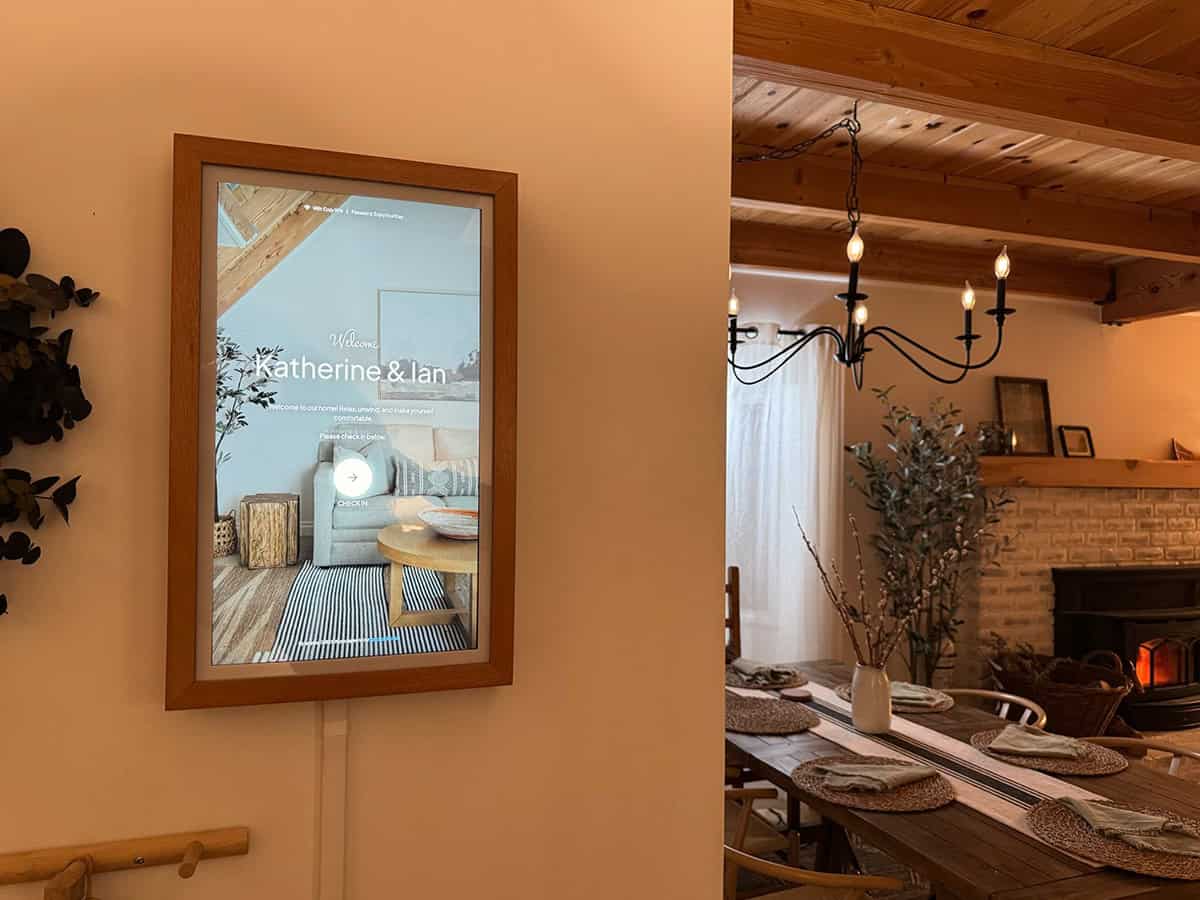
GuideScreen – GuideScreen provides another layer of support for improving the guest experience throughout their journey. This tool allows you to:
- Offer tailored insights into local attractions, dining, and activities
- Gather feedback seamlessly through integrated survey options
By equipping guests with relevant information and encouraging engagement, you foster an environment where they feel cared for right until they leave.
Investing in these tools not only enhances the guest departure experience but also reinforces your brand’s commitment to exceptional service. Remember, each interaction matters; ensuring a seamless exit can encourage repeat visits and positive word-of-mouth referrals.
Incorporating effective communication strategies and leveraging advanced tools like GuideScreen will significantly contribute to elevating the guest experience. Creating memorable moments at every stage ensures guests are likely to return and recommend your property to others.
Post-Stay Marketing Strategies: Keeping the Connection Alive
Building a lasting relationship with guests post-stay is essential for maximizing repeat bookings and improving guest satisfaction. Focus on these Post-Stay Communication Best Practices:
1. Collecting Reviews
Promptly request feedback from guests shortly after their departure. Use personalized emails thanking them for their stay, which can encourage them to share their experiences on platforms like TripAdvisor or Google Reviews. Highlight positive aspects of their visit to remind them of the enjoyable moments they experienced.
2. Responding to Feedback
Actively engage with guest reviews, both positive and negative. Thank guests for their compliments and address any concerns raised in negative feedback. This responsiveness demonstrates your commitment to guest satisfaction and can turn a negative experience into a positive impression.
Understanding NPS (Net Promoter Score) Measurement is crucial. This metric gauges guest loyalty by asking how likely they are to recommend your property to others. A high NPS indicates satisfied guests, while a low score highlights areas needing improvement. Regularly track NPS over time to assess your performance and make necessary adjustments.
Optimizing Post-Stay Marketing Efforts for Repeat Bookings
Utilize specialized vacation rental marketing tools to keep your brand in front of past guests:
- Automated Email Campaigns: Implement automated systems that send tailored messages based on guests’ previous interactions. For instance, you could offer discounts for future stays or share special packages during off-peak seasons.
- Social Media Engagement: Encourage past guests to follow your social media accounts where you can share updates, promotions, and engaging content about local events or attractions. This keeps your property top-of-mind when they consider future travel.
- Loyalty Programs: Consider creating loyalty programs that reward repeat customers with benefits such as early check-in, room upgrades, or complimentary services. Rewarding loyal guests fosters a sense of belonging and encourages return visits.
Improving Survey Response Rates Techniques allows you to gather valuable insights:
- Keep Surveys Short and Focused: Ensure surveys are concise, asking only essential questions that yield actionable insights without overwhelming respondents.
- Incentivize Participation: Offer small incentives like discounts on future bookings or entries into a prize draw for completing surveys. This strategy often increases response rates significantly.
- Timing Matters: Send surveys promptly after check-out when experiences are fresh in the guest’s mind. Utilize multiple channels (email, SMS) to reach out effectively.
These strategies create an ongoing dialogue with guests, enhancing their connection with your brand while delivering insights that inform future improvements in your service offerings.
Personalization in Guest Experience: Creating Memorable Moments
Personalized service significantly impacts the vacation rental industry. It differentiates your business and creates memorable experiences for guests. Here are key reasons why personalization is crucial:
- Guest Loyalty: Tailored experiences foster emotional connections. Guests are more likely to return if they feel valued.
- Unique Experiences: Customize services based on individual preferences, from welcome gifts to room amenities.
- Word-of-Mouth Marketing: Satisfied guests share their experiences, leading to organic referrals.
Customer feedback plays a vital role in driving service quality improvements. Actively seeking and acting upon this feedback allows you to adapt offerings effectively. Consider these strategies:
- Surveys and Reviews: Utilize tools to gather insights about guest preferences and areas for improvement.
- Proactive Communication: Engage with guests before, during, and after their stay to show that their opinions matter.
- Continuous Training: Equip your team with the skills to implement feedback and enhance the guest experience consistently.
Implementing these personalized service strategies can elevate your vacation rental’s reputation, leading to increased bookings and higher satisfaction rates.
Training Programs for Enhanced Service Quality: Equipping Your Team for Success
Investing in training programs is essential for vacation rental managers aiming to elevate their guest experience. Specialized hospitality schools provide invaluable resources to develop professionals skilled in customer service excellence. Here’s an overview of some reputable institutions:
1. Cornell University School of Hotel Administration
Offers comprehensive courses on customer service management and operational excellence.
2. University of Nevada, Las Vegas (UNLV)
Focuses on practical experiences through internships, emphasizing hands-on learning in customer engagement.
3. Florida International University (FIU)
Provides a Bachelor’s and Master’s degree with dedicated courses on service quality and guest satisfaction.
Measuring Success in Guest Experience Management: Metrics That Matter
Understanding Guest Satisfaction Metrics is essential for vacation rental managers aiming to enhance their guests’ experiences. One key metric is Net Promoter Score (NPS), which provides valuable insights into guest loyalty and satisfaction.
NPS Measurement Methodology
- Definition: NPS measures the likelihood of guests recommending your property to others.
- Calculation: Guests respond to the question, “On a scale from 0 to 10, how likely are you to recommend us?”
- Categorization:
- Promoters (9-10): Loyal guests who will refer others.
- Passives (7-8): Satisfied but vulnerable to competitor offerings.
- Detractors (0-6): Unhappy guests who may discourage potential visitors.
The formula used to calculate NPS is simple: [ \text{NPS} = \text{Percentage of Promoters} – \text{Percentage of Detractors} ]
Importance of NPS
- Tracks performance over time, allowing comparisons across different properties or seasons.
- Identifies areas needing improvement based on guest feedback.
Utilizing NPS not only quantifies guest satisfaction but also guides your strategies in enhancing their overall experience during their stay and beyond. Collecting this data regularly supports continuous improvement efforts tailored to your guests’ needs.
Challenges & Opportunities in Guest Experience Management: Navigating the Landscape
Vacation rental managers face several Service Quality Improvement Challenges that can hinder their ability to provide exceptional guest experiences. Key hurdles include:
- Inconsistent Service Delivery: Different team members may have varying service standards, leading to an unpredictable experience for guests.
- Limited Communication Tools: Ineffective communication channels can result in delayed responses to guest inquiries, negatively affecting satisfaction.
- Resource Constraints: Smaller property managers often lack the budget for comprehensive training or advanced technology tools, hindering their service capabilities.
- Guest Expectations: The rise of online reviews and ratings elevates guest expectations. Meeting these heightened demands consistently requires strategic planning.
Addressing these challenges can uncover significant opportunities:
- Implementing Training Programs: Regular training enhances staff skills, ensuring a uniform quality of service across all interactions.
- Leveraging Technology Tools: Utilizing platforms like GuideScreen allows for streamlined communication and improves guest engagement.
- Enhancing Feedback Mechanisms: Actively seeking guest feedback provides insights into areas needing improvement and showcases a commitment to service quality.
By focusing on these areas, vacation rental managers can refine their Guest Experience Strategy, optimizing not just guest satisfaction but also fostering loyalty and encouraging repeat bookings.